The Strategy to Performance Is Not What You Think It Is
Downtime isn’t a knowledge problem, it’s an experience gap. This post breaks down why traditional training fails and how a shift to repetition, recognition, and simulation-based learning builds real performance on the floor.
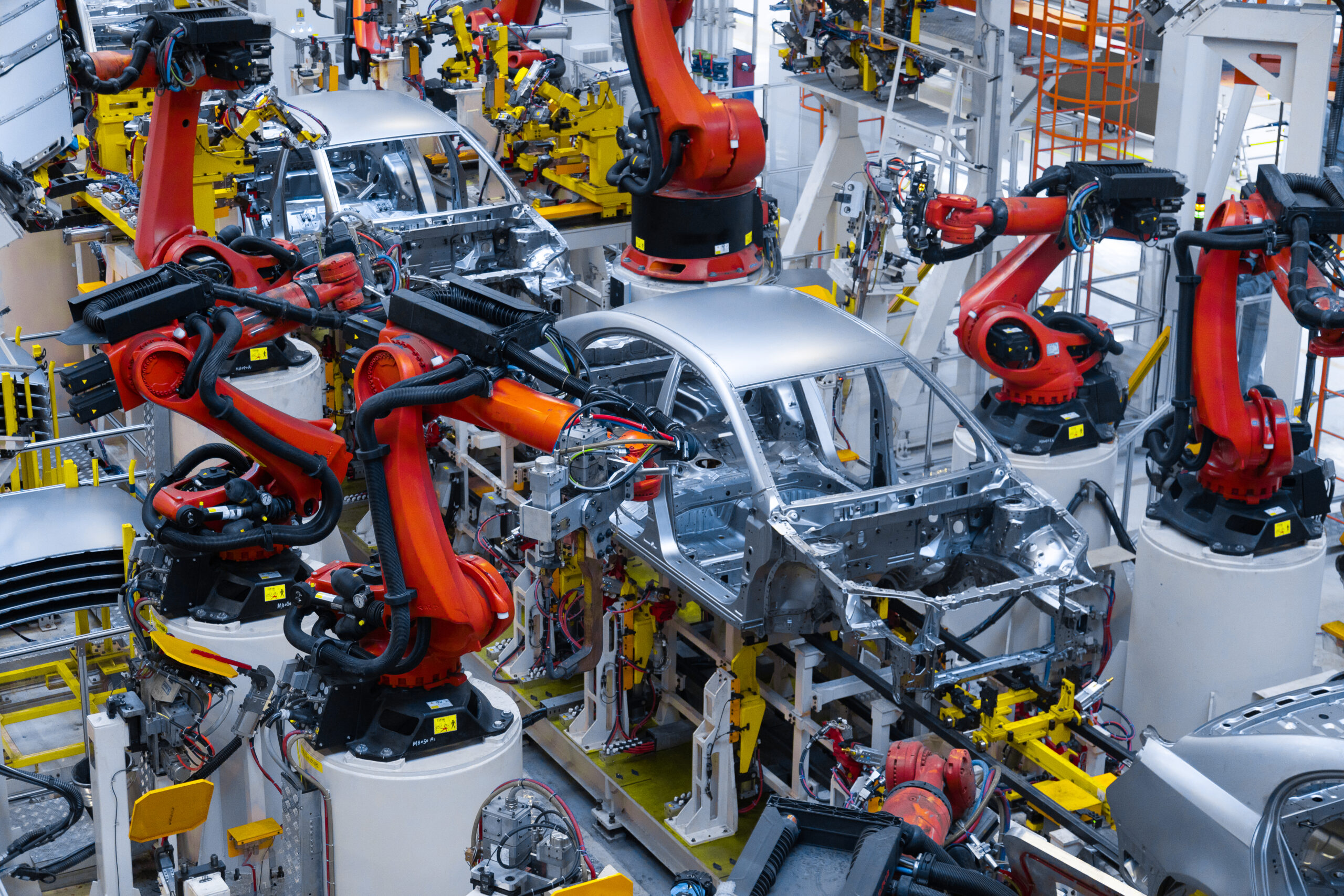
Performance is the path through knowledge, repetition and skill.
In my experience, most organizations assume that downtime and troubleshooting problems are performance issues.
They are.
But not in the way most people think.
When performance slips, the default response is almost always the same. Add more training. Buy more courses. Assign more videos. Hope something sticks.
You know what 40 years in manufacturing has tought me? It rarely does.
It turns out that the problem is not effort.
The problem is perspective.
For instance; you would agree that no one can learn to fly a plane by watching videos. Pilots train because failure is expensive, dangerous, and unacceptable. They need to repeat takeoff, landing and emergency scenarios until decision making becomes automatic. That is not gained by videos. But it is using a particular learning strategy.
Manufacturing is no different, it’s dangerous, expensive and unacceptable to have downtime.
Yet in manufacturing, we pretend people will gain skill through occasional exposure. The line is running. Production cannot stop. Problems are solved once and then disappear. Experience is limited, unfocused, and unpredictable.
So we compensate with videos.
Videos are good at sharing knowledge. They explain concepts. They show steps. They introduce ideas.
Knowledge is not performance.
Performance comes from repetition. From recognition. From making decisions again and again until the response is instinctive.
This is where using training strategy changes the game.
Training strategy starts with a different question. Not what should people know, but what do they have to recognize under pressure. Not what steps exist, instead save the thinking for the complex challenegs, and leave performing the basic tasks using physical memorization gained from practice.
Interactive simulation is a training startegy that delivers that experience through practice.
It creates the environment manufacturing cannot. It creates repeatable exposure without downtime. It allows focused practice without risk. It turns rare events into common experience.
And repetition creates skill.
We tested this perspective in a Virginia Community College class.
Students ranged from experienced industry professionals to brand new high school graduates. They all went through the same training, the same material, and the same time constraints.
What mattered was not background or experience. What mattered was the strategy behind the training.
The training focused on real industrial devices instead of theory. It emphasized decision making instead of memorization. It used guided interaction rather than passive watching.
The goal was not to teach concepts. The goal was to create experience through repetition.
But the real teast came when students transitioned from training to real equipment. They shared that they were prepared to act immediately. Less hesitation. Fewer mistakes. Faster problem recognition.
That is the difference between training that informs and training that performs.
Performance problems rarely show up as a lack of knowledge. They show up as hesitation, uncertainty, and slower machine downtime recovery.
It turns out that downtime does not come from not knowing. It comes from not experiencing what to do next.
Training strategy is not about more content. It is about creating the right perspective, accumulating enough repetitions, and experiencing making the right decisions before performance improvement hits the production line.
Follow Us
Recent Posts